Knee pain is a widespread problem that can affect individuals of any age. It may develop due to injuries, degenerative conditions, or underlying medical issues. When left untreated, it can interfere with daily activities and reduce mobility. Consulting an experienced orthopedic specialist can help identify the root cause and guide you toward effective treatment.
What Causes Knee Pain?
There are several reasons why knee pain occurs, and identifying the exact cause is essential for proper management. Some of the most common conditions include:
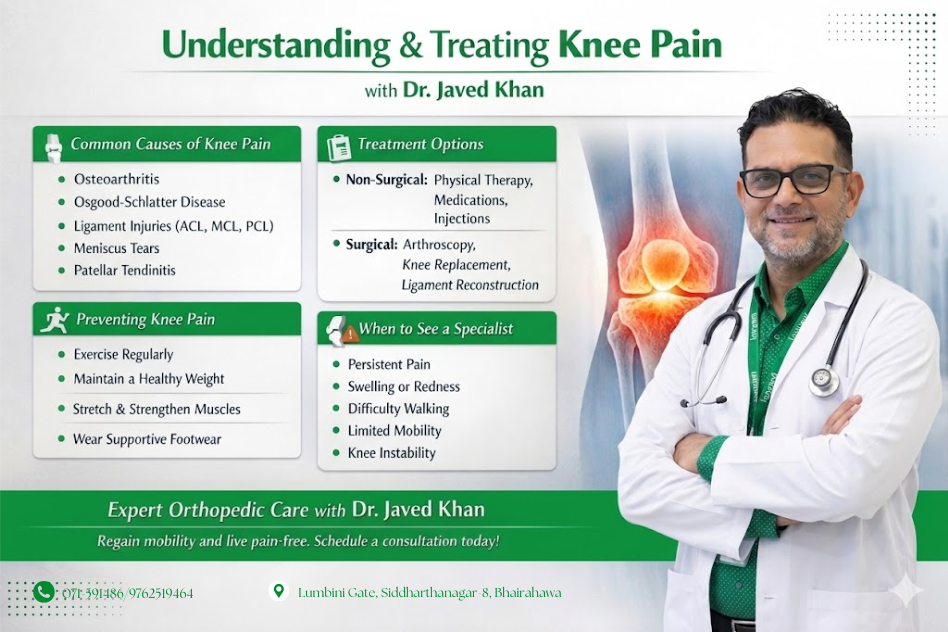
- Osteoarthritis: A degenerative condition caused by the gradual breakdown of cartilage in the knee joint.
- Osgood-Schlatter Disease: Inflammation near the knee growth plate, often seen in growing adolescents.
- Ligament Injuries: Damage to ligaments such as the ACL, MCL, or PCL, usually due to sports injuries or accidents.
- Meniscus Tears: Injury to the cartilage caused by sudden twisting movements or age-related wear.
- Patellar Tendinitis: Also known as jumper’s knee, this condition is common among athletes and involves inflammation of the tendon.
Getting an accurate diagnosis is the first step toward choosing the right treatment approach.
Available Treatment Options
Treatment for knee pain varies depending on its cause and severity. It may involve non-surgical methods or, in some cases, surgical intervention.
Non-Surgical Treatments
- Physical Therapy: Exercises designed to strengthen the muscles around the knee, improving stability and reducing discomfort.
- Medications: Anti-inflammatory drugs and pain relievers help control symptoms.
- Injections: Corticosteroid or hyaluronic acid injections may reduce inflammation and improve joint function.
- Lifestyle Changes: Maintaining a healthy weight, engaging in low-impact activities, and wearing supportive footwear can ease stress on the knees.
Surgical Treatments
- Arthroscopic Surgery: A minimally invasive procedure used to repair damaged tissues or remove debris from the joint.
- Knee Replacement Surgery: Partial or total replacement may be recommended for advanced joint damage or severe arthritis.
- Ligament Reconstruction: Surgical repair of torn ligaments to restore stability and function.
Tips to Prevent Knee Pain
Taking care of your knees can significantly reduce the risk of pain and injury. Here are some helpful preventive measures:
- Stay active with low-impact exercises like swimming or cycling.
- Regularly stretch and strengthen your leg muscles.
- Maintain a healthy body weight to reduce joint stress.
- Wear comfortable and supportive footwear.
- Avoid sudden or excessive strain during physical activities.
When Should You See a Doctor?
It’s important to seek medical advice if you notice:
- Pain that persists for several weeks
- Swelling, redness, or warmth around the knee
- Difficulty standing or walking
- Reduced flexibility or stiffness
- Pain that increases with movement or activity
Ignoring these signs may lead to more serious complications over time. Early intervention can make a significant difference in recovery.
Expert Care for Better Mobility
An experienced orthopedic specialist can provide personalized care tailored to your condition. With the right diagnosis and treatment plan, it’s possible to reduce pain, restore movement, and improve overall quality of life.
If knee pain is affecting your daily routine, don’t wait—seeking timely medical attention is the first step toward recovery and long-term joint health.